

Can You Really Buy a Luxury Car for Cheap at Auction? Here’s What I Learned
Luxury car auctions feel like automotive casinos for adults. One minute you’re calmly sipping coffee, and the next you’re convincing yourself a used German sedan with massage seats is somehow “a responsible financial move.” I went into the auction scene thinking I’d outsmart the system. Instead, I learned that cheap luxury cars often arrive carrying baggage heavier than an airport suitcase stuffed with winter jackets.
The Prices Can Look Ridiculously Good
The first shock is seeing high-end vehicles selling for prices that barely seem real. A car that costs six figures new suddenly appears cheaper than a loaded Toyota Camry. That messes with your brain instantly. Your inner voice starts yelling, “This is a steal!” while your bank account quietly sweats in the corner. Some deals are genuine, though. Repossessions, lease returns, and older luxury sedans often sell lower because buyers fear repair costs. People see an aging BMW or Mercedes and picture warning lights glowing like a Christmas tree. Sometimes that fear creates opportunities. Other times, it creates disaster movies.
Hidden Problems Love Expensive Cars
Luxury vehicles age differently. A cheap economy car with problems usually becomes annoying. A luxury model with problems becomes a full-time side quest. Air suspension failures, electronic glitches, leaking seals, strange dashboard messages written like cryptic prophecies. It gets weird quickly. At auctions, inspections are limited. You might hear the engine start. Maybe you get five minutes to poke around the cabin. That’s not much time to judge a complicated machine stuffed with sensors and motors. One scratched-up bumper is easy to notice. A failing transmission? Good luck, Sherlock Holmes.
Bidding Wars Make Smart People Dumb
Here’s something nobody talks about enough. Auctions change human behavior. Calm adults transform into gladiators fighting over leather seats and panoramic sunroofs. Pride enters the equation. Once bidding starts, some people stop buying cars and start buying victory. That’s how budgets evaporate. You arrive planning to spend twenty grand. Thirty minutes later, you’re bidding twenty-eight because another person in a baseball cap annoyed you. It sounds ridiculous until you experience it firsthand. Auctions turn logic into mashed potatoes.

Research Separates Winners From Regret
The smartest buyers show up prepared. They check vehicle history reports beforehand. They research common issues. They understand repair pricing. Most importantly, they stay emotionally detached. That last part matters more than people realize. Certain cars perform better long-term. Japanese luxury brands often hold up better with age than some European rivals. Parts availability matters too. A rare flagship sedan may look incredible until you realize one broken headlight costs the same as a family vacation.
So, Can You Actually Score a Deal?
Yes, but not always. Cheap luxury cars at auctions are real. People genuinely drive away with fantastic bargains sometimes. But those wins usually happen because buyers stayed disciplined, informed, and realistic about ownership costs. Still, I get the appeal completely. There’s something thrilling about hearing an auctioneer shouting numbers while a V8 sedan burbles nearby like it’s plotting bad financial decisions. Honestly, that excitement alone explains why people keep coming back.…








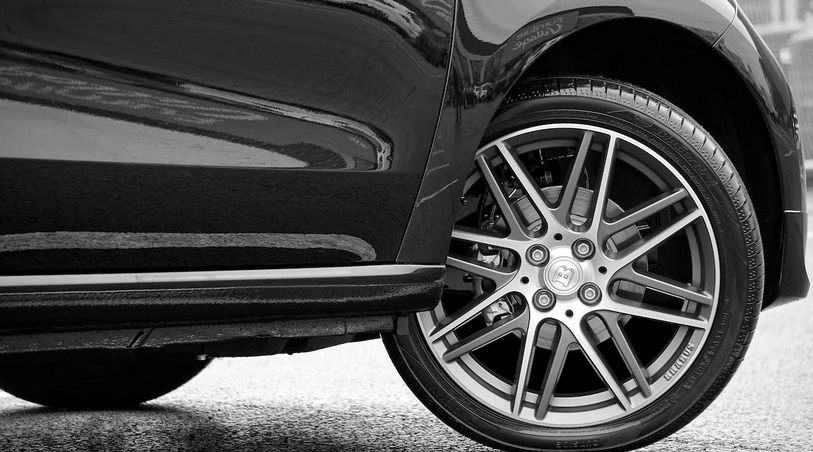
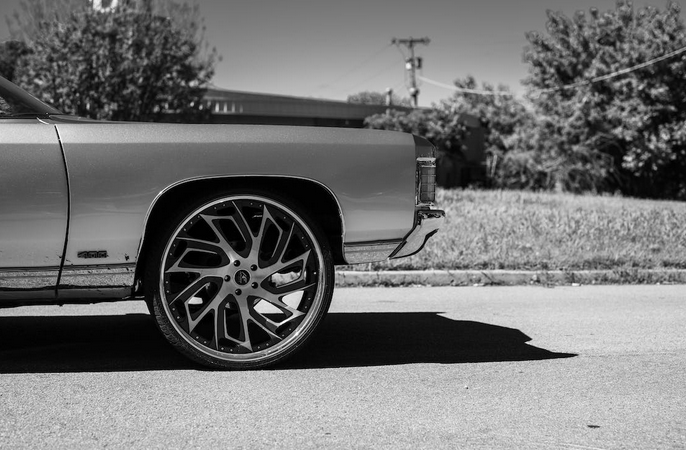
 Finally, corroding wheels can also be a reason for car rim damage. Corrosion occurs when the metal on your wheel is exposed to moisture or salt for an extended period of time. The corrosion will cause the wheel rim to become weak and eventually crack or chip away. To protect against this, keeping your wheels waxed and polished is essential. This will help them look good and provide an extra layer of protection against corrosion. Additionally, it is a good idea to wash the salt off your wheels during winter months as this can help reduce any damage.
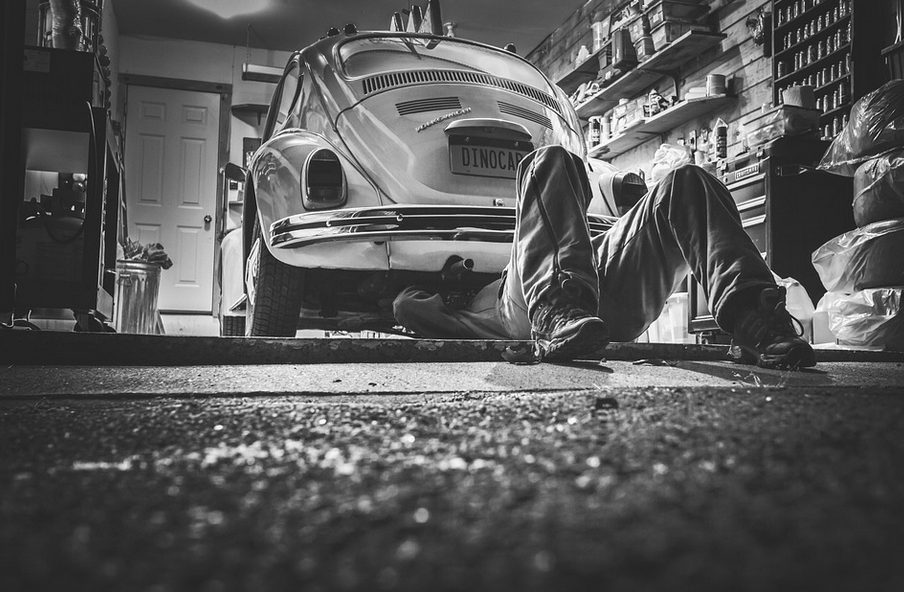 The most important way to get the most out of your car is by keeping up with regular
  If any parts on your vehicle are worn or damaged, replace them immediately. It can help you avoid bigger problems and ensure your car runs as efficiently as possible. Inspect all of the major components regularly and have them replaced or repaired as needed.
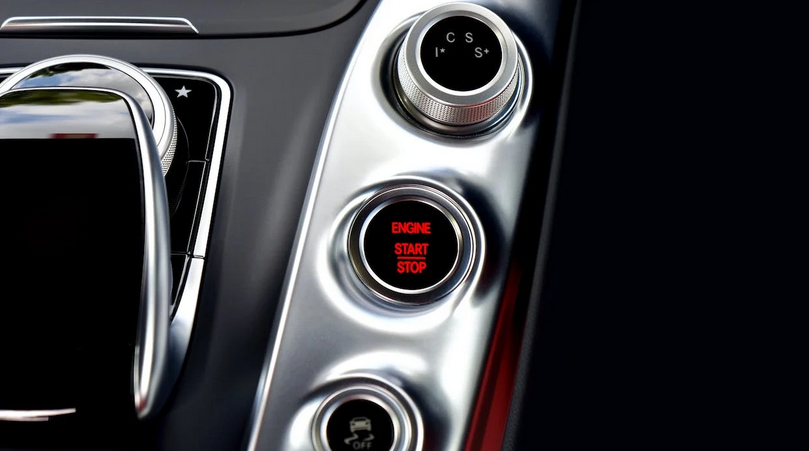 The first thing you should do after your car is flooded is to avoid starting it up. The water might have reached the spark plugs and other vital components of the engine, so starting it up may cause excessive damage. Instead, try disconnecting the battery to prevent electrical short circuits from occurring. Additionally, if you can safely get inside the car, you should try to look for any visible damage and assess the severity of the situation.
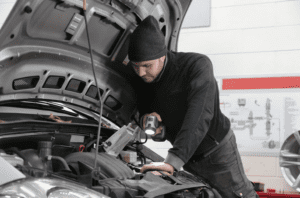 If you have a high-water flooded car, make sure that you detach the spark plugs. This will allow any water that might be left in the engine to drain out, and it will help prevent further damage. It’s best to leave them disconnected until you can get your car inspected by a professional mechanic who can determine what repair work needs.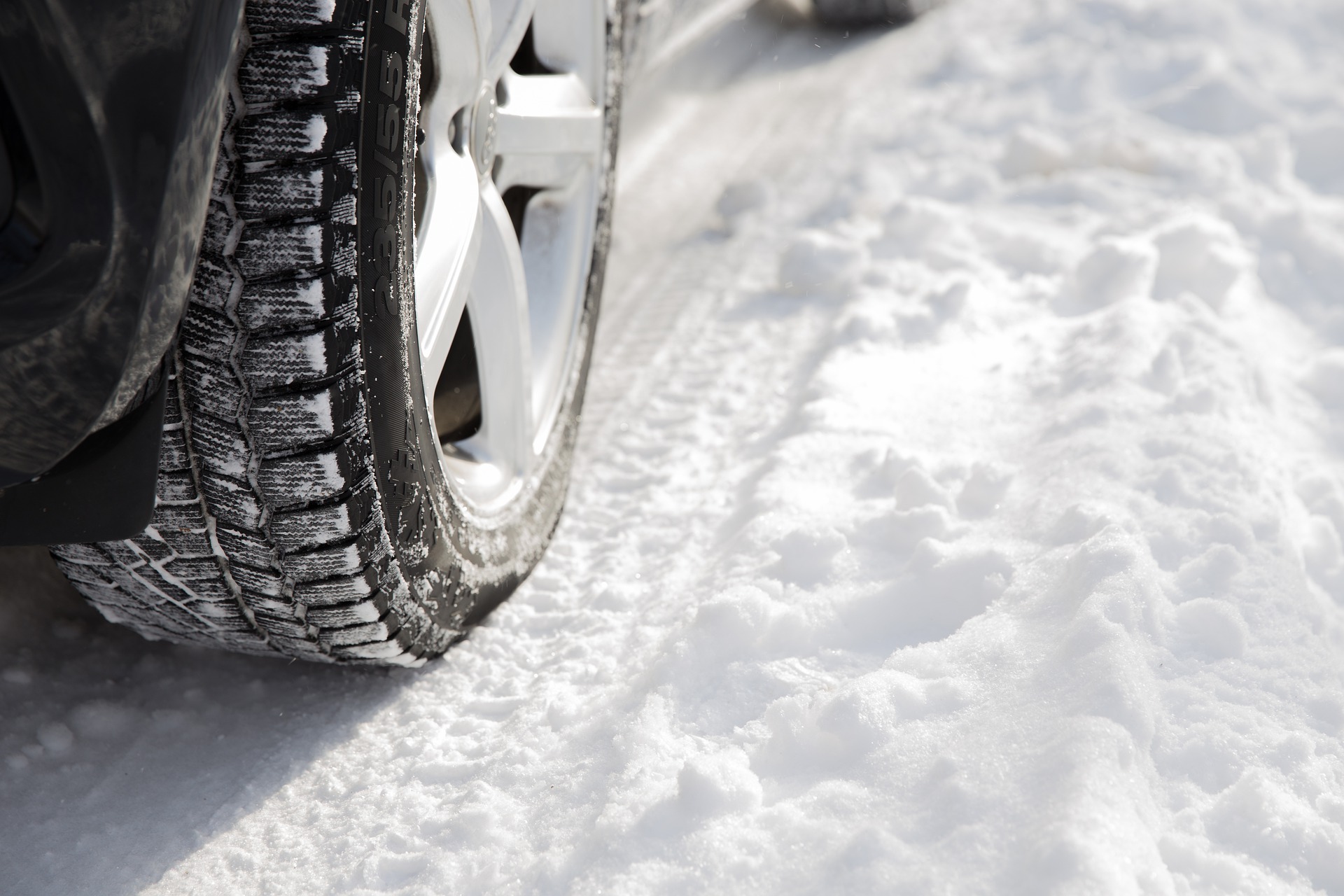

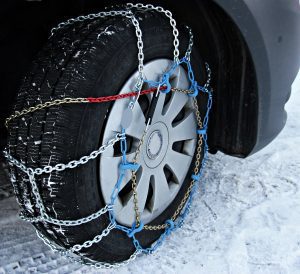 These give better traction and help you save fuel because they reduce rolling resistance by about 20%. They are great for both snow and ice. As a result,