
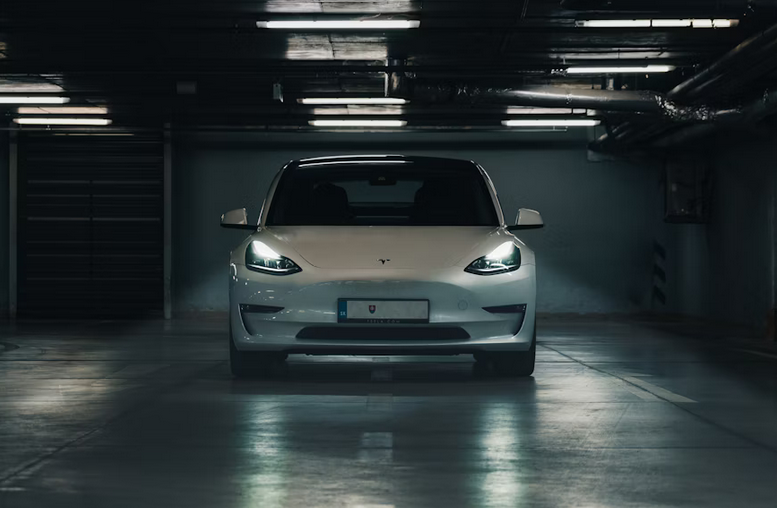
The race to dominate the electric vehicle (EV) market isn’t just about sleek designs or smart software anymore—it’s about batteries. As more drivers make the switch from gas to electric, battery performance has become the battleground where EV brands compete to stand out. Range, charging speed, longevity, and cost all depend on battery technology. So, in a market packed with innovation and ambition, which EV brand is pulling ahead in 2025? Let’s break down who’s winning, who’s catching up, and who still has work to do.
Tesla: Still the Benchmark—But For How Long?
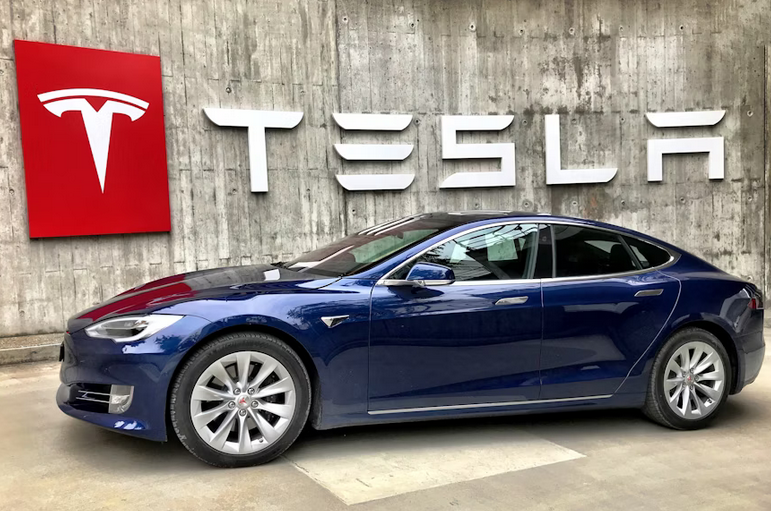
Tesla has been the poster child of EV innovation for over a decade, and when it comes to batteries, it’s still a major force. Its in-house 4680 battery cells promise greater range, better performance, and lower costs. Tesla’s Supercharger network also gives it an edge in convenience, cutting down charging times across the board. But rivals are quickly closing the gap, and questions around battery supply, production delays, and real-world range are starting to chip away at Tesla’s once-unchallenged dominance.
BYD: China’s Battery Powerhouse
While Western media often focuses on Tesla and legacy automakers, China’s BYD is quietly crushing the competition in both battery production and EV sales. BYD’s Blade Battery, known for its safety and thermal stability, has helped it gain massive traction both domestically and globally. Unlike most brands, BYD manufactures its batteries, allowing it to exert tight control over cost and quality. It might not have the flash of Tesla, but BYD is steadily building a reputation as a reliable and innovative leader in the battery game.
Hyundai and Kia: Punching Above Their Weight
South Korean automakers Hyundai and Kia have seriously leveled up in recent years, especially when it comes to battery efficiency and fast charging. Their E-GMP platform supports 800-volt architecture, allowing vehicles like the Hyundai IONIQ 5 and Kia EV6 to charge from 10% to 80% in under 20 minutes. That’s a game-changer for drivers worried about long waits at charging stations. While they don’t manufacture their batteries, they’ve formed strong partnerships with major battery suppliers like LG Energy Solution and SK Innovation, keeping them in the race.
Ford and GM: Playing Catch-Up, Fast
American giants like Ford and General Motors were late to the EV party, but they’re investing big to make up for lost time. GM’s Ultium platform is designed to support a wide range of battery sizes and vehicle types, and its partnership with LG is helping scale battery production across North America. Ford, meanwhile, is leaning into LFP (lithium iron phosphate) batteries for its more affordable EVs, with a focus on durability and cost savings. They’re not leading the pack yet, but their momentum is hard to ignore.
Solid-State Hype: Still in the Lab
One of the most talked-about battery breakthroughs is solid-state technology, which promises higher energy density, faster charging, and longer lifespan. Toyota has been vocal about its solid-state battery development, with plans to bring them to market shortly. But despite the buzz, no brand has yet cracked the code for large-scale, affordable solid-state batteries. Until someone does, lithium-ion remains king of the road—at least for now.
When it comes to battery tech, there’s no clear winner—yet. Tesla may still be setting the pace, but BYD, Hyundai, and even traditional automakers like GM are rapidly gaining ground. The truth is, the EV battery war is just getting started, and innovation is coming from all corners of the globe. Whether it’s longer range, faster charging, or safer designs, the brand that solves the next big battery challenge could quickly leap to the front of the pack. One thing’s for sure: for drivers and the planet, that kind of competition is a win all around.